Wedding florists for Berrylands and Coombe Lane New Malden
Posted on 12/10/2026
Wedding florists for Berrylands and Coombe Lane New Malden: a practical guide to beautiful local wedding flowers
Planning your wedding flowers can feel wonderfully exciting and slightly overwhelming at the same time. You want everything to look elegant, personal, and photogenic, but you also need it to work in the real world: the venue, the timing, the season, the budget, the weather, and the bit nobody warns you about - the flowers still have to look good after a few hours in a warm room with a hundred people admiring them. That is where Wedding florists for Berrylands and Coombe Lane New Malden come in. Local wedding floristry is about more than arranging roses and ribbon. It is about shaping the atmosphere of the day, making sure the flowers suit the space, and giving you something that feels like you.
In Berrylands and along Coombe Lane in New Malden, couples often want flowers that feel polished but not fussy, romantic but not overdone. This guide walks you through how local wedding florists work, what to ask for, how to compare options, and how to avoid the common mistakes that can quietly spoil the final result. If you are early in the planning stage, or even if you have already pinned far too many bouquet ideas, this should help you make confident decisions without the stress spiral.
And honestly, that calm, steady approach matters. Wedding flowers are one of those details people remember more than they expect.
Table of Contents
- Why Wedding florists for Berrylands and Coombe Lane New Malden matters
- How Wedding florists for Berrylands and Coombe Lane New Malden works
- Key benefits and practical advantages
- Who this is for and when it makes sense
- Step-by-step guidance
- Expert tips for better results
- Common mistakes to avoid
- Tools, resources and recommendations
- Law, compliance, standards, or best practice
- Options, methods, or comparison table
- Case study or real-world example
- Practical checklist
- Conclusion
- Frequently asked questions
Why Wedding florists for Berrylands and Coombe Lane New Malden Matters
Wedding flowers do three jobs at once. They set the tone, support the venue, and tie together the whole look of the day. In a local context, that matters even more, because Berrylands and Coombe Lane New Malden have a mix of homes, halls, churches, restaurants, and venue styles that can all need a slightly different floral approach. A bouquet that looks perfect in a grand setting might feel too formal in a smaller, brighter room. A loose garden-style arrangement might sing in one space and look underdone in another.
That is why local wedding florists are so valuable. They understand scale. They understand timing. They understand what happens when flowers need to travel, sit, wait, and still look fresh by the time the first photograph is taken. In our experience, this is where a good florist quietly earns their keep. They are not just selling stems; they are solving problems before you even know they exist.
There is also a practical local advantage. When your florist knows the area well, they are more likely to understand delivery timings, access issues, parking realities, and venue load-in logistics. Let's face it, nobody wants to be carrying table arrangements through a narrow entrance at the exact moment the registrar is due. Planning around those small details can save you real stress.
Expert summary: the best wedding floristry is not the most elaborate option; it is the one that suits your venue, budget, schedule, and style so neatly that everything feels effortless on the day.
How Wedding florists for Berrylands and Coombe Lane New Malden Works
The process usually starts with a conversation. A good florist will want to know your date, venue, colour palette, dress style, guest numbers, and overall mood. Are you after classic romance, modern minimalism, something seasonal and relaxed, or a more luxurious statement look? These details are not fluff. They shape every design choice that follows.
After that, the florist will often suggest a floral plan. That may include the bridal bouquet, bridesmaid bouquets, buttonholes, ceremony flowers, reception table arrangements, and sometimes extras like cake flowers, floral hoops, aisle pieces, or flower crowns. Some couples want the full set; others only need a handful of key pieces. Both approaches are valid. Wedding flowers do not need to be maximalist to be memorable.
Selection usually comes down to a mix of style, seasonality, and practicality. A florist might recommend roses for timeless elegance, lilies for a clean look, lisianthus for softness, or mixed seasonal stems for texture and movement. In many weddings, it is the balance of shapes and tones that makes the design feel rich rather than any one flower on its own. That little bit of variety - round blooms, airy fillers, trailing greenery - creates depth in photos and in person.
The logistics then kick in. Delivery needs to be timed, arrangements need to be transported safely, and some items may be installed on site. For local weddings, that can make a huge difference. If your florist can work efficiently within the flow of the day, the whole experience feels smoother. You probably won't notice it. Which is the point.
Key Benefits and Practical Advantages
There are several clear advantages to working with a wedding florist who serves Berrylands and Coombe Lane New Malden:
- Local familiarity: Better understanding of nearby venues, access routes, and timing pressures.
- More personal design: Flowers can be shaped around your dress, venue style, and colour palette rather than copied from a generic template.
- Consistency: A florist can keep the whole wedding visually coherent, from bouquet to table styling.
- Stress reduction: Professional handling means fewer last-minute worries about transport, condition, or setup.
- Seasonal guidance: You get realistic advice about what looks good and holds up well at the time of your wedding.
- Budget control: A florist can help you decide where to spend for impact and where to keep things simple.
One of the biggest benefits is visual coherence. Without a plan, wedding flowers can end up feeling disconnected: the bouquet looks romantic, the tables feel formal, the buttonholes are an afterthought, and the ceremony flowers don't quite match anything else. A good florist solves that by using a clear palette and repeating key shapes or textures across the day.
There is also a less obvious benefit: confidence. When you know the flowers are in capable hands, everything feels easier. You can focus on the vows, the guests, the music, the slightly-too-tight shoes. The important things, basically.
Who This Is For and When It Makes Sense
Wedding floristry is not only for large, traditional weddings. It can make sense for all sorts of celebrations in Berrylands and New Malden:
- Couples planning a church or civil ceremony who want a polished, respectful floral finish.
- Intimate weddings where a smaller number of well-chosen arrangements matter more than volume.
- Budget-conscious couples who want to prioritise a few meaningful pieces rather than over-ordering.
- Style-led weddings where flowers are a major part of the visual identity.
- Second-time brides and grooms who know exactly what matters and want something less formal but still elegant.
- Busy couples who need a florist to handle the detail because there are already enough moving parts.
If you are asking yourself whether you even need a florist, a useful question is this: do you want flowers to support the day in a thoughtful way, or are you just filling a space? If it is the first one, a florist is worth speaking to. If it is the second, you may still benefit from a simpler arrangement plan - but with a professional eye on scale and placement.
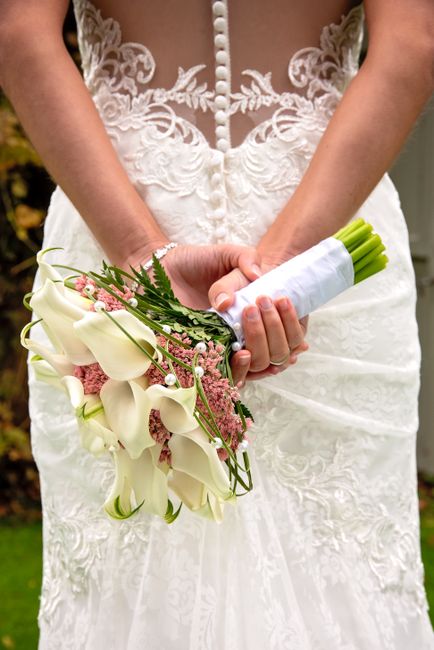
Truth be told, many couples start by thinking they only need "a bouquet and maybe some table flowers," then realise how much impact even a modest floral plan can have. The bridal bouquet appears in almost every photo. The ceremony arrangements frame the vows. The table flowers shape the atmosphere at dinner. Small details, big effect.
Step-by-Step Guidance
Here is a sensible way to approach wedding florals without getting lost in the detail.
- Start with the venue and date. Your florist needs to know the setting and season before suggesting flowers.
- Define the mood. Think in plain language: soft and romantic, crisp and modern, colourful and joyful, classic and elegant.
- Set a realistic budget. This helps the florist guide you toward the right mix of focal pieces and supporting arrangements.
- Choose your priority items. Most couples focus on bridal bouquet, bridesmaid bouquets, buttonholes, and ceremony/reception flowers.
- Discuss flower choices. Ask what is in season and what holds up best for your event length and venue conditions.
- Review the layout. Make sure you know where each arrangement will be placed and how guests will experience it.
- Confirm delivery and setup. Timing matters. A lot. Especially if the day is running to a tight schedule.
- Check the final brief. Colours, quantities, sizes, and any substitutions should be clear before the wedding day.
A practical example: if your ceremony and reception are in the same place, you may be able to reuse certain arrangements after the vows. That can stretch the budget further without compromising style. A smart florist will spot those opportunities quickly. Not flashy, just useful.
Another useful step is to think about photographs. If the bouquet is too small, it can disappear in wide shots. If table arrangements are too tall, guests have to lean around them. A florist worth listening to will balance beauty with function. That is the sweet spot.
Expert Tips for Better Results
1. Be specific about colour, not just "nice tones." Say whether you want blush, ivory, deep red, sage, purple, or mixed pastels. It saves time and prevents drift.
2. Bring the dress or fabric swatch if you have one. A bouquet looks different against satin, lace, silk, or textured fabric. Florists notice that sort of thing immediately.
3. Think about the room light. Bright daylight, evening candlelight, and warm indoor lighting all change how flowers read in photos.
4. Use flowers to guide the eye. In a ceremony space, the arrangements should lead attention toward the couple, not compete with them. That sounds obvious. It still gets missed.
5. Don't overload the palette. Three to five colours is usually enough for a harmonious wedding look unless you are deliberately going bold.
6. Ask about conditioning and freshness. Flowers should be handled properly in the run-up to the day, especially if there is warm weather or a long delivery window.
7. Keep one practical backup idea in mind. If a flower becomes unavailable, agree in advance what style of substitution would still feel right.
A small human truth here: couples often worry they are "being difficult" for asking questions. You are not. Wedding flowers are personal, and you are paying for a service that should feel tailored. Ask the thing. It is fine.
Key takeaway: the best results usually come from clear priorities, realistic expectations, and a florist who is allowed a little creative freedom within your brief.
Common Mistakes to Avoid
Most floral regrets are avoidable if you know what to look out for. The big ones are usually these:
- Ordering purely from inspiration images. Lovely pictures help, but they may use flowers that are out of season or arranged for a different scale.
- Ignoring venue size. A large floral arch can overwhelm a smaller room; tiny arrangements can vanish in a bigger space.
- Forgetting practical transport. Flowers need safe delivery, stable packaging, and sensible timing.
- Not assigning a contact person. Someone should know where arrangements go if the florist cannot stay on site.
- Leaving decisions too late. Good florists book up and seasonal flower choices narrow as the date approaches.
- Assuming everything can be copied exactly. Colour tone, stem availability, and shape vary in real life. That is normal.
One frequent issue is underestimating how much flowers need to do visually. A table centrepiece is not just "something on the table." It helps with room balance, guest experience, and photo composition. If you treat it as an afterthought, the whole setting can feel strangely unfinished.
Another mistake? Choosing styles you love on screen but would hate in a hot room after three hours. Flowers are living materials, not digital mock-ups. Slightly imperfect, occasionally dramatic, and more sensitive than people expect.
Tools, Resources and Recommendations
You do not need fancy software to plan wedding flowers well. A simple, organised approach usually works best.
- Mood board or folder: Save a small number of images showing bouquet shape, table style, and colour direction.
- Venue notes: Keep information about room size, ceremony location, table count, and any restrictions.
- Guest list estimate: Helpful for deciding how much emphasis to place on reception florals.
- Budget range: Share a working range rather than a vague "we do not know yet." It makes the discussion much more practical.
- Dress and accessories: Useful for matching scale and tone.
- Timing plan: If you have hair and makeup, photography, and transport already set, your florist can work around them.
For product-style planning, it can help to think in categories. Bridal bouquet, bridesmaid bouquets, buttonholes, ceremony arrangements, reception table pieces, and optional extras. If you prefer browsing by style, the wedding range at wedding flowers and collections can help you narrow down the overall look, while a more specific choice like bridal bouquets or table arrangements can help once the main direction is clear.
If you are comparing tones, it can also be useful to explore a restrained palette such as white flowers or a softer romantic look like pink flowers. For something bolder, mixed colours can be a lively option. And if you want the florist to make a thoughtful selection for you, florist choice is often a sensible route. It keeps the arrangement stylish without overcomplicating the brief.
For reliability and service details, you may also want to review delivery information, the site's guarantees, and practical care advice in the flower care guide. That is the kind of admin nobody dreams about, yet it saves headaches.
Law, Compliance, Standards, or Best Practice
Wedding floristry is not usually a heavily regulated service in the way some other industries are, but there are still sensible standards and best practices worth paying attention to. In the UK, couples generally expect transparent pricing, clear order details, sensible delivery arrangements, and fair terms if something needs to change. A trustworthy florist should be able to explain what is included, what is extra, and what happens if an item must be substituted.
For customers, the most practical things to review are the business terms, refund or cancellation position, and delivery expectations. Those pages are there for a reason. They are not bedtime reading, admittedly, but they matter if plans shift. For example, if you need to understand how a flower order is handled or what to do if there is a problem, it is sensible to check the florist's terms and conditions, returns and refund information, and payment details before confirming anything.
Best practice also includes respectful handling of flowers, accurate labelling of arrangements, and good communication around substitutions. If a particular bloom is unavailable, the florist should aim to maintain the style, value, and colour balance rather than simply swapping in something random and hoping for the best. That would be a bit too casual for a wedding, wouldn't it?
Some couples also appreciate looking at broader company values. If sustainability matters to you, it can be reassuring to read about the florist's approach to sourcing and waste on the sustainability page. Similarly, if accessibility or general trust signals matter, a site's about us, accessibility statement, and privacy policy can help you understand the business more clearly.
Options, Methods, or Comparison Table
There are several common ways to approach wedding floristry, and each suits a different kind of couple. Here is a simple comparison to help you decide what feels right.
| Approach | Best for | Pros | Watch-outs |
|---|---|---|---|
| Full-service bespoke floristry | Couples who want a tailored look across ceremony and reception | Highly coordinated, personal, polished | Usually needs more planning and budget |
| Focused essential pieces | Smaller weddings or tighter budgets | Good value, simpler decision-making | Less room for dramatic styling |
| Seasonal florist-led design | Couples happy to trust the florist's judgement | Fresh, cost-aware, often very natural-looking | Less control over exact flower types |
| Themed or colour-led design | Style-conscious couples with a clear visual brief | Strong visual consistency | Can become rigid if the palette is too narrow |
If you are unsure which route to choose, start with the end in mind. Do you care most about the bouquet, the ceremony backdrop, or the reception atmosphere? That answer usually points you in the right direction. A florist can then build the rest around it rather than trying to do everything at once.
For many couples around Berrylands and New Malden, a balanced middle ground works best: strong bridal flowers, well-chosen buttonholes, and a handful of reception pieces that make the room feel complete without draining the budget. Sensible. Elegant. No drama. Well, not floral drama anyway.
Case Study or Real-World Example
Here is a realistic example from the kind of planning many local couples do. A pair getting married in New Malden wanted a fresh, romantic look for a late spring wedding. They loved soft pinks, whites, and natural greenery, but they did not want anything too formal or heavy. Their venue had bright daylight in the ceremony room and a more intimate reception space later in the day.
The florist proposed a simple structure: one standout bridal bouquet, smaller bridesmaid bouquets to keep the proportions right, neat buttonholes, and table arrangements that could move from ceremony to dinner. The flowers were chosen to feel light in the morning light and still read clearly under evening lighting. The couple also asked for a subtle repeat of the same flower shapes throughout, so the whole day felt connected rather than mixed-and-matched.
What made it work was not complexity. It was clarity. They knew what mattered most, agreed the style early, and trusted the florist to refine the details. On the day, the bouquets did their job beautifully in photos, and the tables felt finished without looking crowded. A straightforward plan, honestly - but it looked wonderful.
This kind of result is common when couples give their florist room to interpret the brief. You do not need to know every flower by name. It helps, sure, but you really just need to know the feeling you want. Soft, lush, crisp, joyful, elegant. That is enough to start.
Practical Checklist
- Confirm the wedding date and venue before requesting quotes.
- Decide your colour palette and overall floral mood.
- List must-have items: bouquet, bridesmaid bouquets, buttonholes, ceremony flowers, table pieces.
- Set a realistic budget range.
- Share venue details, including room size and any access limitations.
- Ask what is in season around your wedding date.
- Check delivery, setup, and timing arrangements.
- Agree how substitutions will be handled if needed.
- Review terms, payment, and refund policies before booking.
- Keep one person responsible for final communication with the florist.
- Think about photography: bouquet size, table height, and ceremony backdrop matter more than people expect.
- Request a final summary so everyone is clear on the plan.
If you can tick most of those off, you are in good shape. Not perfect. Nobody ever is. But good shape is enough.
Conclusion
Choosing Wedding florists for Berrylands and Coombe Lane New Malden is really about finding someone who can translate your ideas into a wedding day that feels graceful, grounded, and easy to enjoy. The right florist will not just decorate the room; they will support the rhythm of the whole day with flowers that suit your venue, your budget, and your style.
Whether you want a small, refined bouquet-led approach or a fuller floral statement, the best results come from clear communication and sensible planning. Start with the venue, think about the mood, keep an eye on scale, and let the florist guide you on what will actually work in real life. That way, the flowers become part of the memory, not a source of last-minute stress.
And when the photos come back, there is a good chance you will notice the flowers more than you expected. The shape, the colour, the little texture at the edge of a bouquet - all those tiny things add up.
Get a free quote today and see how much you can save.
When the day arrives and the room fills with light, colour, and that soft floral scent in the air, you will be glad you took the time to get it right.
Frequently Asked Questions
What do wedding florists in Berrylands and Coombe Lane New Malden usually provide?
They typically provide bridal bouquets, bridesmaid bouquets, buttonholes, ceremony flowers, table arrangements, and sometimes extras such as cake flowers or venue decoration. The exact mix depends on the wedding style and budget.
How far in advance should I book a wedding florist?
As early as you can, especially if your date falls in a busy season. Early booking gives you more choice of styles, more time for planning, and less risk of missing out on your preferred florist.
Can a florist work within a smaller budget?
Yes. A skilled florist can help you focus on the most important pieces and suggest ways to create impact without over-ordering. For example, you might prioritise the bouquet and ceremony flowers, then keep table designs simpler.
What flowers are best for a wedding bouquet?
That depends on the look you want and the season. Roses, lilies, lisianthus, alstroemeria, carnations, and mixed seasonal blooms are all common options. The best choice is the one that fits your dress, colour palette, and overall style.
Should I choose seasonal flowers for my wedding?
Usually, yes. Seasonal flowers are often fresher, more naturally available, and easier to style well. They also tend to look more cohesive with the time of year, which helps the whole design feel right.
How do I match wedding flowers to my venue?
Think about scale, lighting, and room style. A small intimate space may need lighter arrangements, while a larger room may need stronger focal pieces. A good florist will help you match the flowers to the venue rather than forcing a one-size-fits-all look.
Can I reuse ceremony flowers at the reception?
Often, yes. This is a sensible way to make the budget work harder. Many couples move aisle arrangements, pedestal flowers, or table-ready pieces from the ceremony to the dinner setting.
What if a flower I want is unavailable?
It happens. Flowers are living products and availability can change. A good florist should offer a substitute that keeps the same style, colour balance, and value rather than changing the look completely.
Do I need a consultation before booking?
It is very helpful, yes. A consultation lets you discuss style, budget, venue logistics, and priorities. It also helps you decide whether the florist understands what you want.
How do I make sure my bouquet looks good in photos?
Ask about shape, scale, and colour contrast. The bouquet should suit your dress and body proportions, and it should read clearly in both close-up and wide shots. A bouquet that is too small can disappear; one that is too large can feel awkward to carry.
What should I ask a wedding florist before I book?
Ask what is included, what seasonality means for your date, whether setup and delivery are included, how substitutions are handled, and how changes are managed if your plans shift. Those answers tell you a lot about how organised the service will be.
Are local florists better for weddings in Berrylands and New Malden?
Often they are, because they tend to understand local access, timing, and venue types more naturally. That does not automatically make them the only option, but it does make planning feel easier and more grounded.